
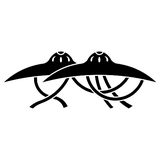
笠紋 Kasa
MEANING
A woven hat worn on the head, as opposed to an umbrella. There were many kinds, including the ichime-gasa (women’s travelling hat), jingasa (soldier’s hat) and sugegasa (sedge hat), so the crest has many variants. It was adopted from respect for headwear and for its shape, and is closely linked with samurai. It is a representative crest of the Takahashi; one explanation is that the characters for ‘raising bamboo’, done to welcome the gods, combine to write kasa (笠). The Yagyū used the Yagyū-gasa as a secondary crest; Munenori is recorded as receiving the two-tiered hat crest from Sakazaki Dewa-no-kami. A three-hat design of the Muku, priests of Wakasahiko Shrine, appears in the Kenmon Shokamon.
FAMILIES
Associated with the Takahashi (a representative crest), Yagyū (Sekishūsai and Munenori; secondary crest), Takebe and Muku families, Kondō Hidemochi and Gamō Ujisato
NOTES
27 variants recorded.
笠・柳生笠・建部笠・陣笠・足軽笠・三階笠・頭合せ三つ笠・五つ市女笠・神宮笠
More in Objects
 扇紋 Ōgi
 団扇紋 Uchiwa
 地紙紋 Jigami
 銭紋 Zeni
 車紋 Kuruma
 釘抜紋 Kuginuki
 矢紋・矢筈紋 Ya
 弦巻紋/蛇の目紋 Tsurumaki
 轡紋 Kutsuwa
 久留子紋 Kurusu
 祇園守紋 Gion Mamori
 杏葉紋 Gyōyō
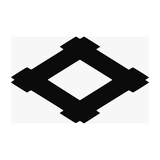 井筒紋・井桁紋 Izutsu
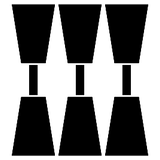 杵紋 Kine
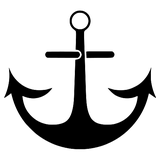 錨紋 Ikari
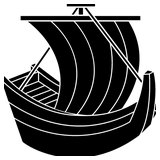 船紋 Fune
 帆紋 Ho
 枡紋 Masu
 分銅紋 Fundō
 鞠挟紋・鞠紋 Maribasami
 糸巻紋 Itomaki
 剣紋 Ken
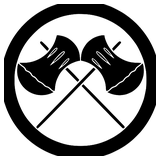 鉞紋 Masakari
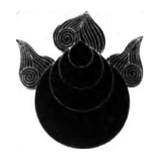 玉紋・宝珠紋 Tama
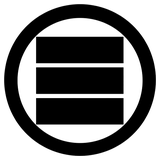 算木紋 Sangi
 折敷紋 Oshiki
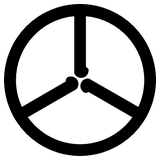 五徳紋 Gotoku
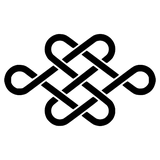 宝結び紋 Takara Musubi
 団子紋 Dango
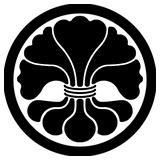 結綿紋 Yuiwata
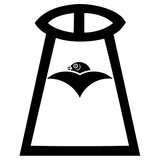 鉸具紋 Kako
 滕紋・千切紋 Chikiri
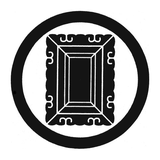 額紋 Gaku
 守紋 Mamori