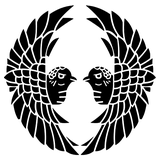
雀紋 Suzume
MEANING
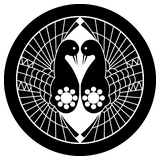
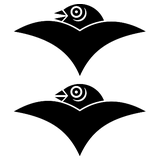
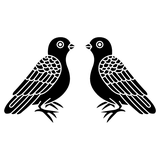
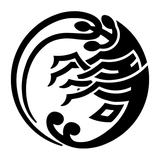
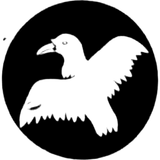
The sparrow crest was used by the Saeki clan, because the bird’s chirping (saezuru) echoes the name Saeki. Designs that combine sparrows with bamboo or bamboo grass are classed separately as bamboo crests. Bamboo with sparrows appears as a carriage pattern in the early Kamakura Daiyōshō; according to the Shabunshō it had been used by the Rokuhara Tandai and was taken up by Kajūji Tsunefusa after the fall of the Taira. The Kajūji-line houses created their crest by adding bamboo to an earlier sparrow crest, and the Uesugi version later passed by gift to the Date, becoming the Sendai-zasa. Facing sparrows (mukai suzume) are the stage-house crest of the Kyōya Nakamura kabuki line.
FAMILIES
Associated with the Kanroji, Kajūji, Madenokōji, Nakanomikado, Seikanji and Bōjō houses (bamboo-and-sparrow types), the Uesugi and Date clans (Uesugi and Sendai bamboo grass), and the Nakamura family of the Kyōya (stage-house crest)
NOTES
23 variants recorded.
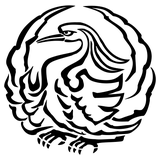
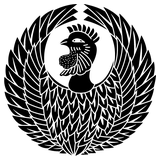
飛び雀・雀の丸・対い雀・舞雀・張ら雀・三羽飛び雀・雪輪に舞雀・張ら雀菱