巴紋 Tomoe
MEANING
One to four comma- or tadpole-shaped swirls arranged in a circle. Its origin is debated: the tomo arm guard of an archer, the magatama bead, a swirl of water (used on eave tiles from the late Heian period to ward off fire), or the thunder god’s drum. The war god Hachiman takes the three-comma tomoe as his shrine crest, and it is one of the earliest recorded family crests (the Saionji house in the Gukanshō). Naming left- and right-turning tomoe is the biggest dispute in crest studies: Numata (1926) followed the drum at Shitennō-ji, while Takasawa (2008) names them by the direction of the tails.
FAMILIES
Associated with Hachiman shrines (shrine crest), the Saionji house, the Utsunomiya, Kobayakawa, Yūki, Ogata, Okabe, Naganuma, Kuki, Arima and Itakura clans, the Shō royal house of Ryūkyū and Hijikata Toshizō; Kenmon Shokamon records it for the Soga, Akamatsu, Nagao and Utsunomiya
NOTES
13th by share of households (Takasawa 2008). 145 variants recorded. About 350 Edo shogunate retainer houses. Also classed among pattern crests.
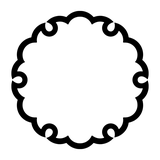
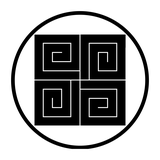
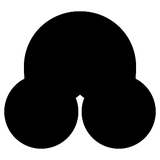
一つ巴・二つ巴・左三つ巴・右三つ巴・四つ巴・尾長三つ巴(西園寺家)・九曜巴=板倉巴・有馬巴・抜け巴・陰陽勾玉巴・藤巴(黒田氏)・浪巴・雲巴・丁子巴(佐竹)・五つ巴車