

菊紋 Kiku
MEANING
Associated with the Double Ninth festival, warding off evil and long life. Retired Emperor Go-Toba favoured it, and the sixteen-petalled double chrysanthemum became the imperial crest; edicts of 1869 and 1871 barred its use outside the imperial family. Kusunoki Masashige, granted the crest, used the ‘chrysanthemum on water’ (kikusui) out of modesty; in the Edo period, as the shogunate kept the court in check, it passed into Japanese sweets and Buddhist altar fittings.
FAMILIES
Associated with the emperor, the imperial family and princely houses, the Kusunoki (Kikusui), the Mōri, Date, Kyōgoku, Makino and Sō (by grant), and court nobles such as the Hirohata and Minase; the Tendai school (Santaishō), Shijōnawate Shrine; the Liberal Democratic Party emblem (a shadowed fourteen-petalled chrysanthemum)
NOTES
188 variants recorded. Naming convention: petal count + single or double (hitoe/yae) + front showing the centre (omote) or back showing the sepals (ura) + design.
十六八重表菊・十六一重表菊(旅券)・十四一重裏菊(宮家)・十二菊・菊水・乱菊・光琳菊・菊菱・割菊・有栖川菊・閑院菊・板倉菊・井桁に菊
More in Plants
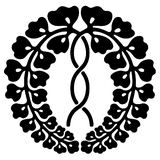 藤紋 Fuji
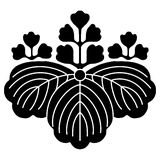 桐紋 Kiri
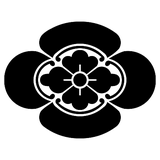 木瓜紋 Mokkō
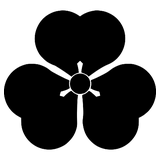 片喰紋 Katabami
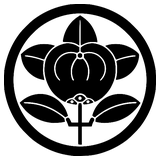 橘紋 Tachibana
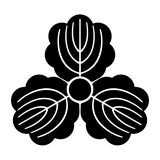 柏紋 Kashiwa
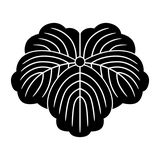 蔦紋 Tsuta
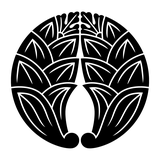 茗荷紋 Myōga
 沢瀉紋 Omodaka
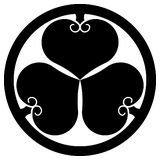 葵紋 Aoi
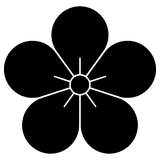 梅紋 Ume
 桜紋 Sakura
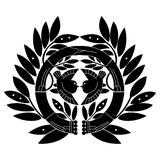 竹紋・笹紋 Take / Sasa
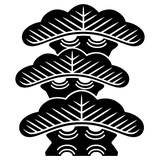 松紋 Matsu
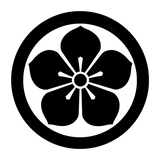 桔梗紋 Kikyō
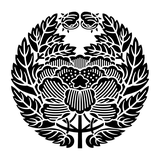 牡丹紋 Botan
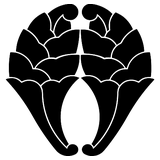 杏葉紋 Gyōyō
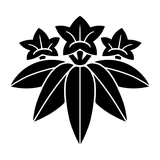 竜胆紋 Rindō
 瓜紋 Uri
 瓢紋 Hisago
 稲紋 Ine
 銀杏紋 Ichō
 楓紋・紅葉紋 Kaede / Momiji
 柊紋 Hiiragi
 唐花紋 Karahana
 花菱紋 Hanabishi
 葦紋 Ashi
 撫子紋 Nadeshiko
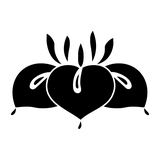 杜若紋 Kakitsubata
 柿紋 Kaki
 杉紋 Sugi
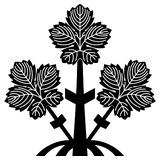 梶紋 Kaji
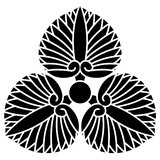 河骨紋 Kōhone
 百合紋 Yuri
 梨紋 Nashi
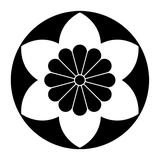 鉄線紋 Tessen
 麻紋 Asa
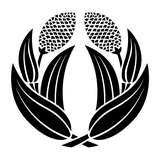 粟紋 Awa
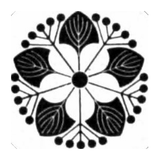 虎杖紋 Itadori
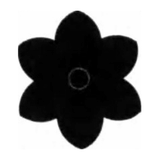 梔子紋 Kuchinashi
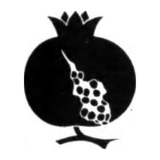 柘榴紋 Zakuro
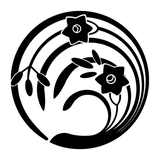 水仙紋 Suisen
 丁字紋 Chōji
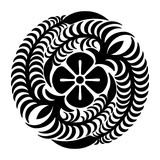 田字草紋 Denjisō
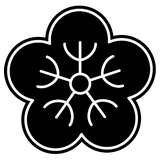 夕顔紋 Yūgao
 連翹紋 Rengyō
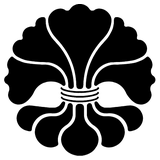 綿紋 Wata
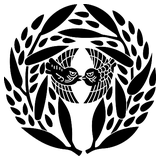 地楡紋 Waremokō